
Environmental Monitoring and Industrial Measurement
Environmental Monitoring and Industrial Measurement








For over 50 years, Unidata has been innovating with reliable and cost-effective technologies for the global monitoring and measurement markets. Customers receive first-class pre and post-sales support through either a widespread network of skilled partners or directly with Unidata. Our experience, expertise, reliability and quality deliver world-class environmental and industrial solutions for value and peace of mind.
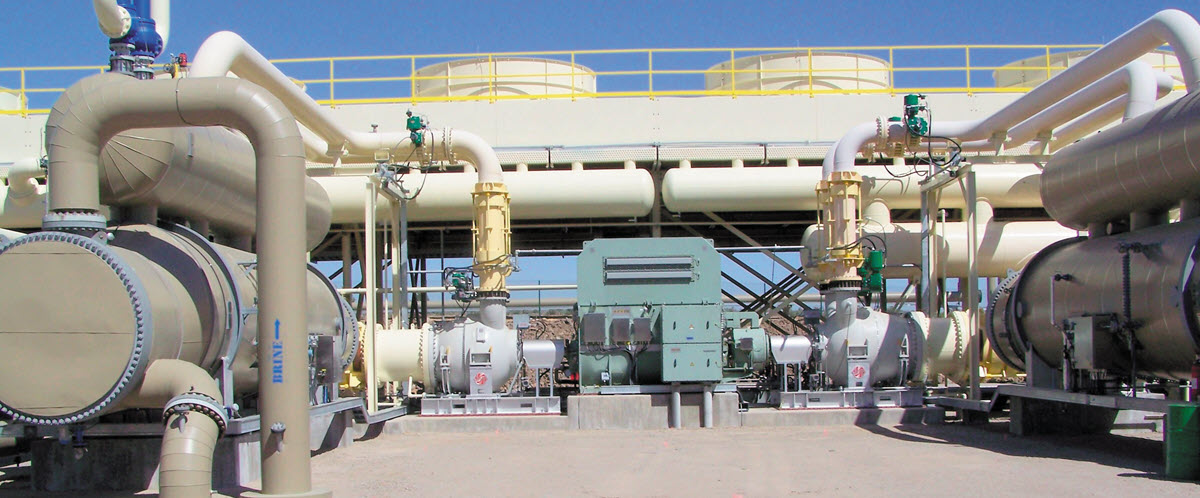
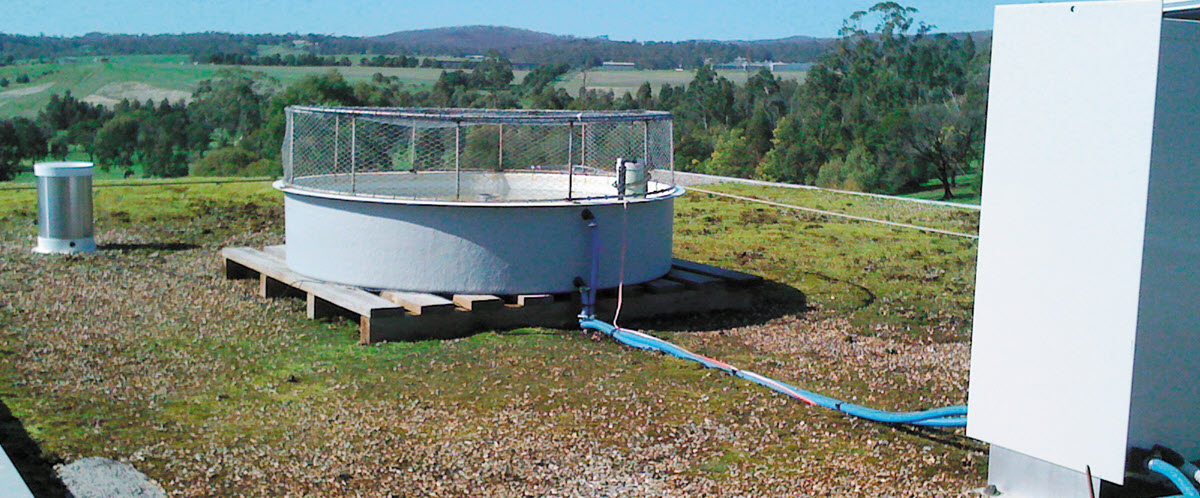
The need to measure and monitor is not unique to a single industry, and for this reason, Unidata products are in service in a high number of industries. Some of these industries include Environmental, Industrial, Agricultural, Mining, Oil and Gas and Utilities.
Drawn from actual installations, we have produced a number of application notes that give detailed examples of a number of these applications.
Unidata products can be configured to provide solutions for most environmental monitoring and industrial measurement requirements. Outlined in the systems section are a number of systems that are common in the industry. However, Unidata and its partners pride themselves on finding solutions to their customers’ requirements, and so they are always pleased to discuss specific requirements and how Unidata products can meet them.
This year Unidata went through an accreditation process to become an Inmarsat Certified Partner. For example, the Unidata Neon / Neon IP Data Logger system is now an accredited solution for Inmarsat partners worldwide, allowing us to engage better with those partners on satellite telemetry / M2M projects.
Please browse the examples of solutions and industries included and do not hesitate to make contact and take advantage of the collective experience and expertise of Unidata and it’s partners.
Unidata started operations in the 1970s as a joint venture with the University of Western Australia. At this time Unidata dealt extensively with university-related data activities, hence the name “Unidata”.
In the 1980s and 1990s, the Unidata product range grew to over 100 products, including data loggers, water flow, water level and environmental monitoring instruments. During this time, the market expanded through the appointment of international distributors and partner companies worldwide. Unidata continued to be a leader in the data logger field when it released its first-generation internet protocol (IP), Measurement to Web system, Crossramp and the associated Crossramp terminals, in the early 2000s. Today, the second generation, Neon System, provides a web-based and more easily scaleable approach to measurement, leveraging the experience the company gained with Crossramp.
In the early 2000s, a new Unidata Pty Ltd structure was established with a new and majority shareholder, the National Institute of Atmospheric Research (NIWA), the premier New Zealand Research body for Water and Atmospheric related Research. NIWA is a large corporate entity and Institute owned by the Government of New Zealand, employing hundreds of scientists and engineers and directly responsible to the Minister.
NIWA, itself a user of Unidata products for more than ten years before taking a majority shareholding interest, provides guidance and direction at both a board-level and also knowledge level, contributing to the research and development and product development activities of the company to ensure the company maintains its market leadership position as a supplier of Environmental and Water monitoring instruments and associated systems.
For almost 40 years, Unidata has delivered around 50,000 data loggers and measuring instruments to around 5,000 customers worldwide. Unidata products are installed in North America, South America, Europe, Asia, China, Japan and Australia. Many installations have been in continuous use for more than 20 years, and the product/service life typically exceeds ten years.
The company operates from a purpose-built facility in the industrial estate of O’Connor, Western Australia, approximately 10km from the centre of Perth, the capital of Western Australia.
Unidata understands that reliability is of paramount importance in monitoring and measuring equipment and systems. Reliability is of course underpinned by the quality that is evident not just in systems, but also in the culture of the company.
Unidata’s commitment to quality is demonstrated in the accreditation of its quality management systems to the international standard of ISO9001.
Please find included below Unidata’s key organisational policies.
 Unidata – Quality Management Policy
Environmental Management Policy
Corporate & Social Responsibilities Policy
Included below is Unidata’s standard terms and conditions.
Unidata – standard terms & conditions
These documents are presented in the Adobe Acrobat format. A free reader for Adobe PDF files can be obtained from www.adobe.com.